Physical Address
304 North Cardinal St.
Dorchester Center, MA 02124
Physical Address
304 North Cardinal St.
Dorchester Center, MA 02124

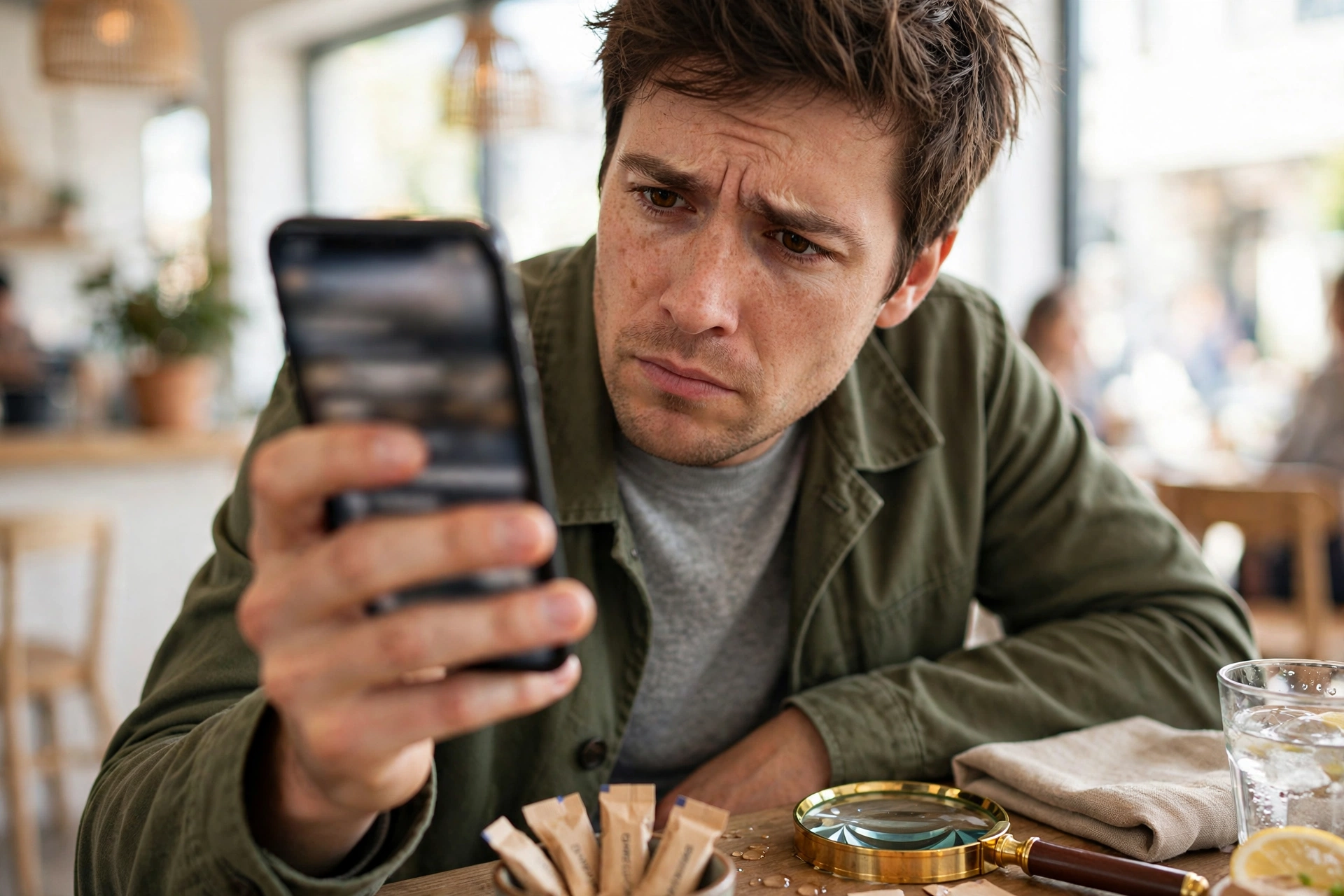
That shocking headline in your feed might not be true. Learn 7 quick, practical checks to spot fake news online before you share it — and what to do when friends share something sketchy.
It starts with a headline that makes your blood boil — or your jaw drop. You are halfway to the share button before a small voice asks: wait, is this actually true? That pause is the most important media skill of the modern internet, and this guide is about making it automatic.
Fake news is not just the obvious stuff. It includes real photos with false captions, old stories recycled as breaking news, satire mistaken for reporting, and genuine facts twisted just enough to mislead. Nobody is immune: smart, careful people share false stories every day, usually because the story confirmed something they already believed.
The good news is you do not need special software or journalism training to protect yourself. Seven quick checks — most taking under a minute — will catch the vast majority of fakes. Here they are.
Researchers have found that false stories spread faster and further online than true ones, and the reason is uncomfortably human: fake news is engineered to trigger emotion. Outrage, fear, amazement, smug satisfaction — strong feelings make fingers tap “share” before brains engage. Real news, which is usually more nuanced and less thrilling, simply cannot compete on pure adrenaline.
Social media amplifies the effect. Algorithms reward engagement, and nothing engages like a post that makes people furious. A fabricated story with a shocking claim can reach millions before any correction catches up — and corrections, being boring, rarely travel as far as the original lie.
Understanding this changes how you read your feed. When a post makes you feel a surge of emotion, treat that feeling as a signal to slow down, not speed up. The stories most worth double-checking are precisely the ones you most want to believe — or most want to be angry about.
Before evaluating a claim, evaluate who is making it. This single habit filters out an enormous amount of junk. Ask three quick questions: have I heard of this outlet, does it have a track record I can check, and is this actually its website?
That last question matters more than you would think. Impostor sites deliberately mimic real news brands with lookalike domain names — an extra word, a different ending, a subtle misspelling. If a “breaking” story comes from a site you have never heard of, open the site’s about page. Legitimate outlets tell you who they are, where they operate, and how to contact them. Sites with no about page, no named authors, and no contact information are telling you everything you need to know.
Also check the author. Real journalists have bylines, histories, and usually social profiles. An article credited to no one, or to a name that appears nowhere else on the internet, deserves skepticism.

One more source trick: search the outlet’s name plus the word “bias” or “reliable.” Media rating projects exist precisely to help readers, and a thirty-second search often reveals whether an outlet is a respected newsroom, a partisan blog, or a content farm dressed up as news.
Headlines are written to be clicked, and sometimes the headline promises far more than the article delivers. A shocking number of shares happen without the sharer reading past the headline at all — the platforms’ own data has confirmed this. So: actually read the article.
When you do, watch for the gap between the headline’s claim and what the body actually supports. “Scientists stunned by discovery” might turn out to be one researcher saying “this is interesting, we need more data.” If the article is thin, vague, or stuffed with “some say” and “many believe” without naming anyone, the headline was doing all the work.
Check the date, too. One of the most common forms of misinformation is real news, shared years later as if it just happened. An old story about a product recall or a natural disaster recirculates regularly, frightening people about events long resolved. The publication date is usually right under the headline — glance at it before reacting.
Finally, look for quotes and named sources. “A source close to the matter” can be legitimate journalism, but an article built entirely on anonymous claims, with no documents and no on-the-record voices, is asking for a lot of trust. Trust, but verify — which brings us to the next check.
A picture may be worth a thousand words, but online it is often worth a thousand wrong words. The most common photo trick is not editing — it is mislabeling. A genuine photo from one event gets attached to a story about a completely different one. The image is real; the context is a lie.
Reverse image search is your defense, and it is easier than it sounds: most search engines let you upload an image or paste its link, and they will show you where else it has appeared. If the dramatic photo “from yesterday’s protest” actually appears in articles from five years ago about a different country, you have your answer in under a minute.
For videos, apply the same skepticism to clips stripped of context. A thirty-second clip can make almost anyone look bad or good; what happened before and after the clip is where the truth usually lives. Search for the fuller version before drawing conclusions.
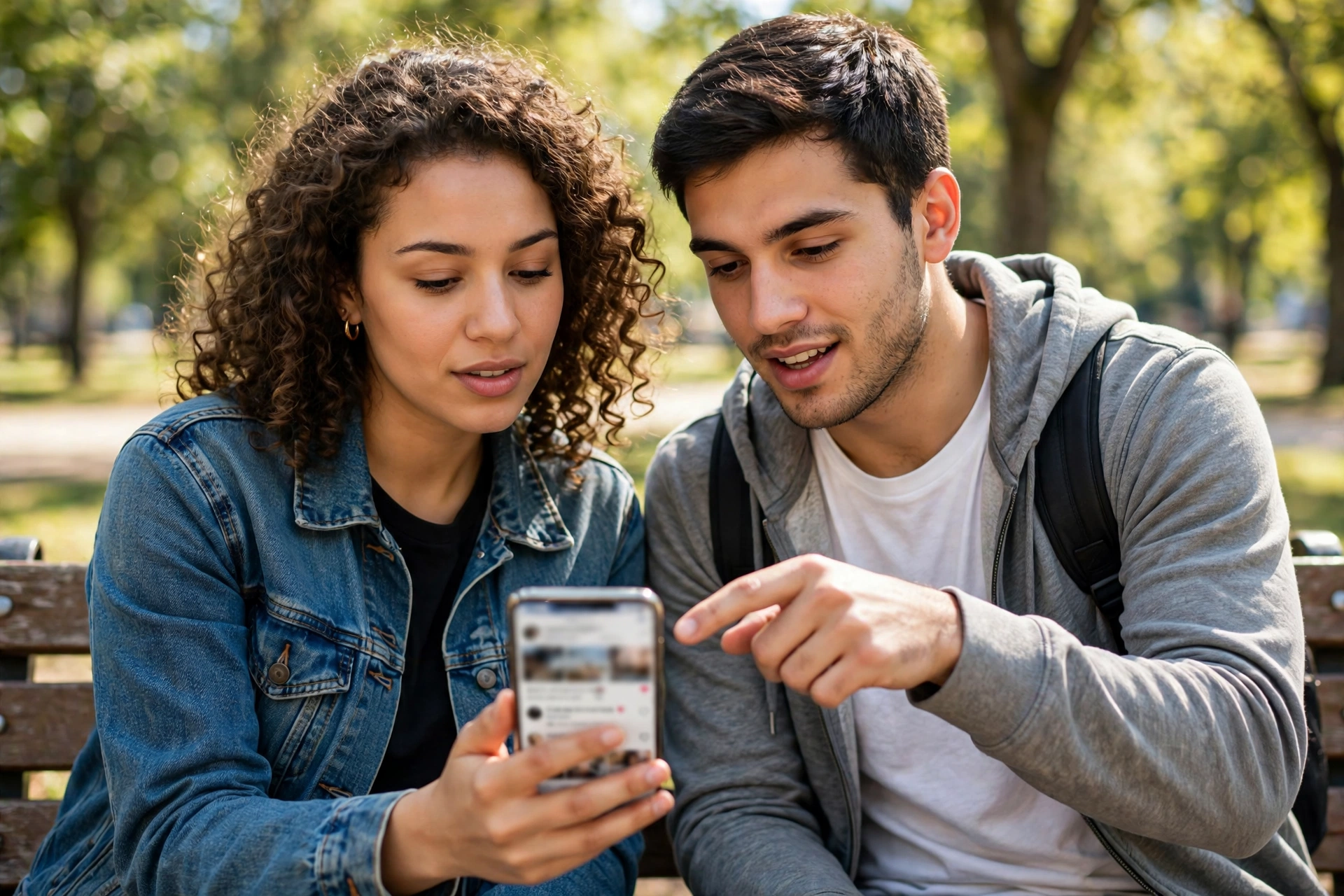
And be extra careful with images that seem designed to bypass thinking — the ones that are pure emotional bait. If a photo’s main effect is making you furious or heartbroken within two seconds, verify it before you let it shape your opinions, let alone your shares.
Here is the simplest check of all: before sharing anything surprising, search the core claim in a search engine. Real stories of any significance get covered by multiple outlets. If only one obscure site is reporting something world-shaking, that is a red flag the size of a billboard.
This is sometimes called lateral reading — instead of reading deeper into the suspicious site, you step sideways and see what the rest of the web says. It takes about thirty seconds and it is the single technique professional fact-checkers recommend most to ordinary readers.
Dedicated fact-checking organizations are another excellent resource. When a claim is going viral, there is a good chance someone has already investigated it. A quick search for the claim plus “fact check” often surfaces a thorough debunking with sources you can read yourself.
Be honest with yourself about confirmation bias while you do this. We all grade evidence more leniently when it supports what we already believe. If you find yourself dismissing solid debunkings because you like the original story, notice that — it is the bias talking, not your judgment.
Sooner or later, someone you like will share something false. How you respond matters — mockery makes people dig in, while kindness actually changes minds. The goal is to inform, not to win.
Start privately if you can. A direct message feels like help; a public correction feels like humiliation. Keep it light and assume good faith: most people share fakes by accident, not malice. Something like “Hey, I looked into this and it turns out it’s from 2019 — thought you’d want to know!” works far better than a lecture.
Share your evidence, not just your conclusion. Link the fact-check or the original source rather than just declaring it false. People believe evidence they can inspect themselves, and you are also modeling the verification habit for anyone watching.
And know when to let it go. You will not convert everyone, and some arguments cost more peace than they are worth. Plant the seed with kindness and evidence, then move on. You have done your part.
Is all fake news deliberate lying? No. Much of it is satire taken seriously, old stories recycled, or real facts with misleading framing. Deliberate fabrication exists, but careless sharing spreads further.
Can I trust social media “community notes” and labels? They are a helpful starting point, but treat them like any other source — useful signal, not gospel. Do your own quick check on anything important.
What about AI-generated images? They are getting harder to spot — look for odd hands, garbled text, and overly smooth skin — but the verification approach is the same: reverse image search and check whether reputable outlets are carrying the story.
Should I correct strangers online? Occasionally, politely, with evidence. But prioritize your own circle — friends and family are where your word carries weight and where corrections actually land.
Spotting fake news is not about distrusting everything — it is about building a reflex. Check the source, read past the headline, verify the image, search the claim, and pause when you feel that surge of emotion. Seven checks, most under a minute, and your shares become something you are proud of instead of something you have to quietly delete later.

