Physical Address
304 North Cardinal St.
Dorchester Center, MA 02124
Physical Address
304 North Cardinal St.
Dorchester Center, MA 02124
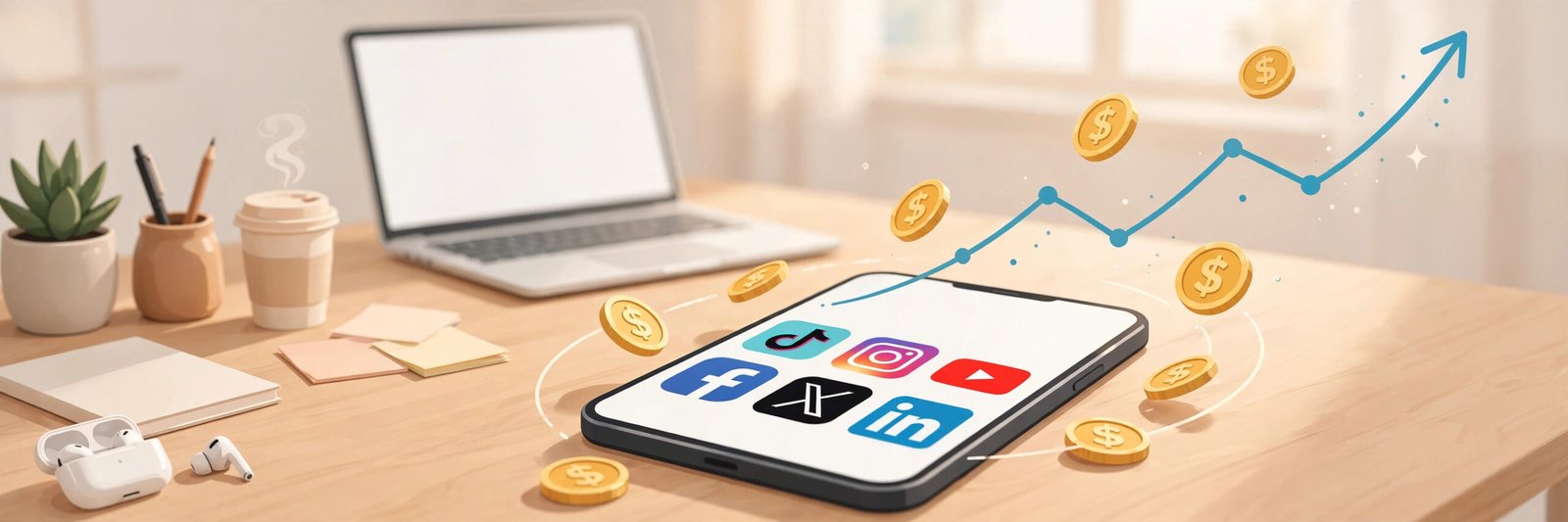
Learn how to make money on social media in 2026 with this beginner-friendly guide — platform payouts, brand deals, affiliate marketing, digital products and more.
My cousin started posting 30-second cooking videos on Instagram last year just for fun. She had 800 followers, most of them relatives. Eight months later, a spice brand paid her for her first sponsored reel — more money than she’d made in a week at her old job. She still laughs about it: “I was just showing people how I make dal.”
That’s the thing about making money on social media in 2026 — the door is wider open than it’s ever been, and you don’t need to be famous to walk through it. What you need is a plan, a little patience, and an honest understanding of how the money actually flows. This guide will walk you through all of it, step by step, in plain language.

Let’s kill the biggest myth first. Most beginners think you need a million followers before a single rupee or dollar comes in. That’s not how it works anymore.
In 2026, brands and platforms care far more about engagement than follower counts. A creator with 5,000 loyal followers who comment, share, and trust her recommendations is worth more to a small brand than an account with 200,000 silent followers. Industry data from 2026 backs this up — the majority of creators earning real income have audiences under 100,000, and many started earning with fewer than 10,000.
The real currency is trust. If 500 people genuinely listen to you, that’s a business waiting to happen.
Beginners make one classic mistake: they open accounts on six platforms and post everywhere, badly. Don’t do that. In 2026, each platform rewards a different style:
Pick the one you already enjoy scrolling. You’ll be spending a lot of time there — it should feel like play, not homework. You can always expand later.
Every major platform now shares its ad revenue with creators. Think of these as your “salary” programs — the platform pays you for keeping viewers watching:
Platform payouts alone won’t make you rich as a beginner, but they’re the foundation. They pay you while you build everything else.
This is where beginners are often shocked — brands will pay you, with your tiny audience, to talk about their product. Why? Because your small, trusting audience converts better than a celebrity’s passive one.

Here’s how it usually starts: you post consistently in one niche (say, budget skincare). A small brand notices your engagement. They offer you a free product plus a small fee for an honest review reel. You do a good job. You put that reel in a little portfolio. Then you start pitching other brands yourself with a short, polite message and your numbers.
Two rules that will save you: only promote products you’d genuinely recommend to a friend, and always disclose that a post is sponsored. Audiences forgive a lot, but they never forgive feeling tricked.
Affiliate marketing is beautifully simple: you recommend a product with a special link, and when someone buys through it, you get a commission. No product to create, no customer support, no inventory.
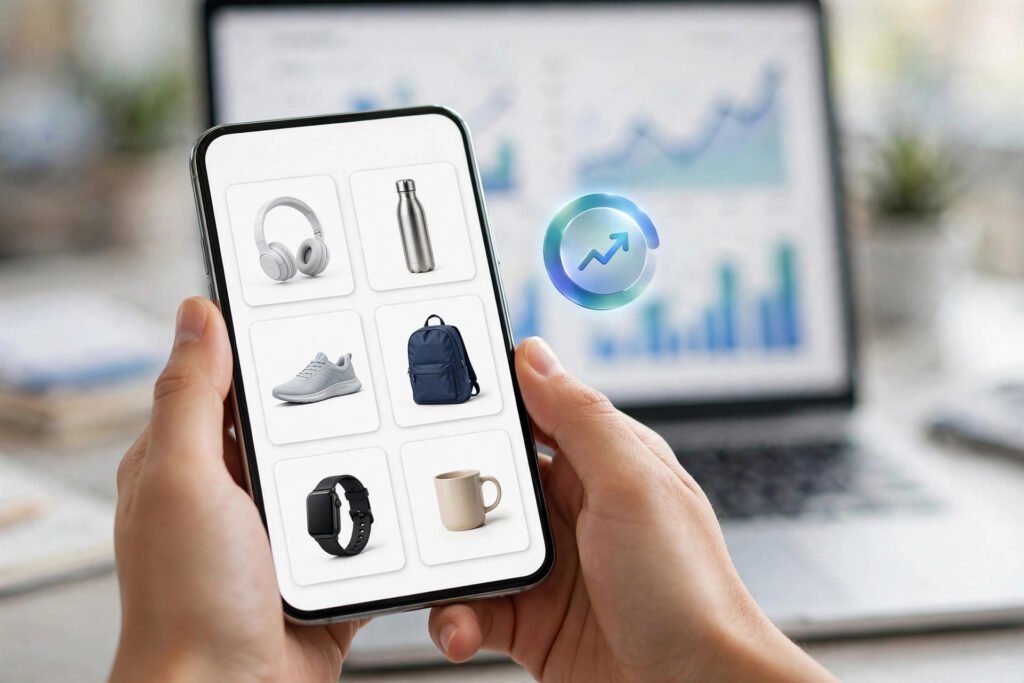
Start with programs that are free to join — Amazon Associates is the classic beginner choice, and most brands in your niche will have their own affiliate program if you just ask. The trick is relevance: a tech reviewer linking to the exact microphone she uses will outsell a random product roundup every time.
Put your links where they get clicked — the link in your bio, pinned comments, video descriptions, and story swipe-ups. And here’s the part beginners miss: one honest, detailed review of a product you actually use will outperform ten lazy “top 10” lists.
This is the step that turns creators into real businesses. Once people trust you, they’ll happily pay for something that saves them time or teaches them a skill:
Digital products are magic for beginners because they cost almost nothing to make and you keep nearly 100% of each sale. My cousin? Her second income stream was a ₹499 recipe ebook. It now outsells her brand deals most months.
Here’s something most beginners never hear about: UGC — user-generated content. Brands pay everyday creators to make authentic-looking videos and photos that the brand posts on its own channels. You don’t need followers at all. You don’t even post it.
If you’re comfortable on camera and can shoot a decent phone video, you can pitch yourself as a UGC creator today. Brands in skincare, food, and gadgets are constantly hiring. It’s one of the fastest ways for a complete beginner to earn their first money from social media skills.
Overwhelmed? Don’t be. Here’s all you need to do in your first month:
That’s it. No ads budget, no fancy camera, no team. Just you, your phone, and thirty days of showing up.
How many followers do I need to start earning?
There’s no magic number. Platform programs have thresholds (like YouTube’s 1,000 subscribers), but brand deals, affiliates, and UGC can start with just a few hundred engaged followers — or none at all for UGC.
How long before I make my first money?
Honestly? Most beginners see their first earnings in 2–6 months of consistent posting. UGC and freelancing-style work can pay within weeks.
Do I need to show my face?
No. Faceless channels — voiceovers, screen recordings, product demos, aesthetic compilations — earn well in 2026. Showing your face helps build trust faster, but it’s optional.
Is it too late to start in 2026?
Every year people say it’s too late, and every year new creators break through. What’s changed is that lazy content no longer works — genuine, helpful, consistent content absolutely does.
Making money on social media in 2026 isn’t about going viral. It’s about picking one platform, serving one audience honestly, and stacking small income streams — platform payouts, brand deals, affiliates, digital products — until they add up to something real.
My cousin still posts her little cooking videos. The only difference now is that her hobby pays her rent. Yours could too. The best day to start was a year ago. The second-best day is today.

