Physical Address
304 North Cardinal St.
Dorchester Center, MA 02124
Physical Address
304 North Cardinal St.
Dorchester Center, MA 02124


I watched my cousin ask her browser to “find me a flight to Tokyo under £600 next month and book the cheapest one that doesn’t have a layover longer than two hours,” and then just… walk away to make tea. When she came back, it had actually compared options across multiple sites and had a booking ready for her to confirm. That moment genuinely stopped me — this wasn’t a search engine giving her links to click through. It was closer to having an assistant physically sitting at the keyboard doing the work for her.
That’s the shift happening with AI browsers right now, and if you haven’t come across the term yet, you almost certainly will soon.
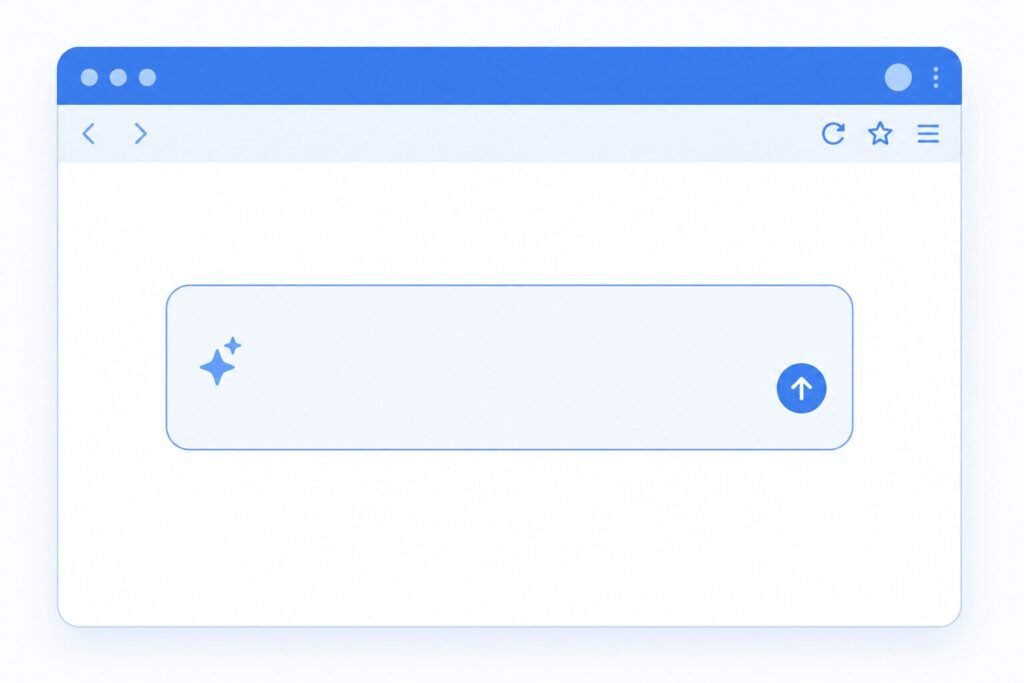
An AI browser, sometimes called an “agentic browser,” is a web browser with an AI system built directly into how it works, rather than bolted on as a chatbot sidebar. Instead of a traditional URL bar and a list of blue links, the interface centers on a prompt box where you type what you want, and the browser goes and finds or does it for you. UCStrategies
The key word here is “does.” Older AI assistants could summarize a page or answer a question about it. These newer browsers can actually navigate websites on your behalf — clicking, scrolling, filling out forms, and making sequential decisions across a multi-step task, not just suggesting what you should click next. Switchtools
The most talked-about entrants are Perplexity’s Comet and OpenAI’s Atlas, and they’ve taken slightly different approaches.
Comet uses Claude for its reasoning and is available across Mac, Windows, iOS, and Android, while Atlas has so far been limited to macOS. That cross-platform reach has clearly paid off — by April 2026, Comet reportedly accounted for roughly 48% of all tracked agentic web traffic, an enormous jump from the year before. Notably, Atlas is set to be retired in August 2026, while Comet has continued expanding into enterprise deployments. Switchtools + 2
Both browsers are built on Chromium, the same open-source foundation used by Chrome and Edge, so the browsing experience itself feels familiar even as the AI layer underneath changes how you actually use it.
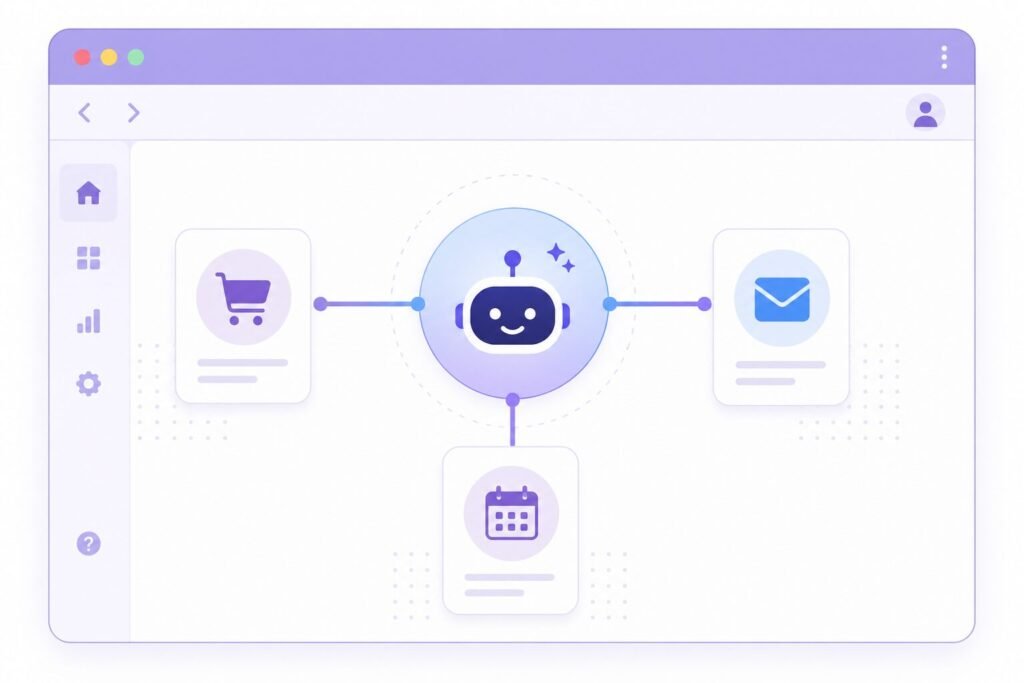
In practical terms, people are using AI browsers for tasks like:
The genuine appeal is time. Tasks that used to mean juggling ten open tabs and a spreadsheet now happen through a single conversation.

Here’s where it’s worth slowing down before diving in headfirst. For an AI browser to book a flight or fill out a form, it needs meaningful access to your accounts, logins, and browsing sessions. Because the browser sits at the center of nearly everything you do online, an agent operating inside it can potentially act on anything your logged-in sessions expose, not just what a single app would normally allow. SoftwareSeni
That power has already attracted attention from security researchers. Analysts have flagged early cases of AI browsers being manipulated into patterns resembling fraud, along with broader risks like an agent being tricked into taking unintended actions across different accounts or sites. Perplexity has responded by adding a confirmation step before consequential actions like purchases, and enterprise versions now include admin-level controls built with input from cybersecurity firms. HUMAN SecuritySwitchtools
None of this means these tools are unsafe to use casually — it just means treating them the way you’d treat any assistant with access to your accounts: give it clear instructions, review what it’s about to do before confirming a purchase, and don’t hand it access to accounts you wouldn’t want it acting on autonomously.
For most casual users, this isn’t an all-or-nothing decision. The free tier of a tool like Comet is a reasonable way to try out core browsing and summarization features without committing to anything, with paid tiers available if you find yourself relying on deeper research or automated tasks regularly. Switchtools
A few honest observations if you’re deciding whether it’s worth it:
If you want to try an AI browser without diving in blind, a few habits help:
This isn’t a passing trend. The shift from research demo to mainstream consumer product happened in roughly fifteen months, and the pace shows no sign of slowing, with major browser makers now racing to add similar AI capabilities directly into their existing products rather than ceding the category entirely to standalone apps. Whether or not you jump in now, it’s worth understanding what these tools do, because there’s a good chance the browser you’re using in a year or two will work a lot more like this than the one you’re using today. No Hacks
AI browsers genuinely change what “browsing the internet” means — from clicking through pages yourself to describing what you want and letting the browser handle the legwork. The convenience is real, but so is the trade-off in access and control. Try it on something low-stakes first, get a feel for how it behaves, and decide from there how much of your browsing you’re comfortable handing over.

