Physical Address
304 North Cardinal St.
Dorchester Center, MA 02124
Physical Address
304 North Cardinal St.
Dorchester Center, MA 02124

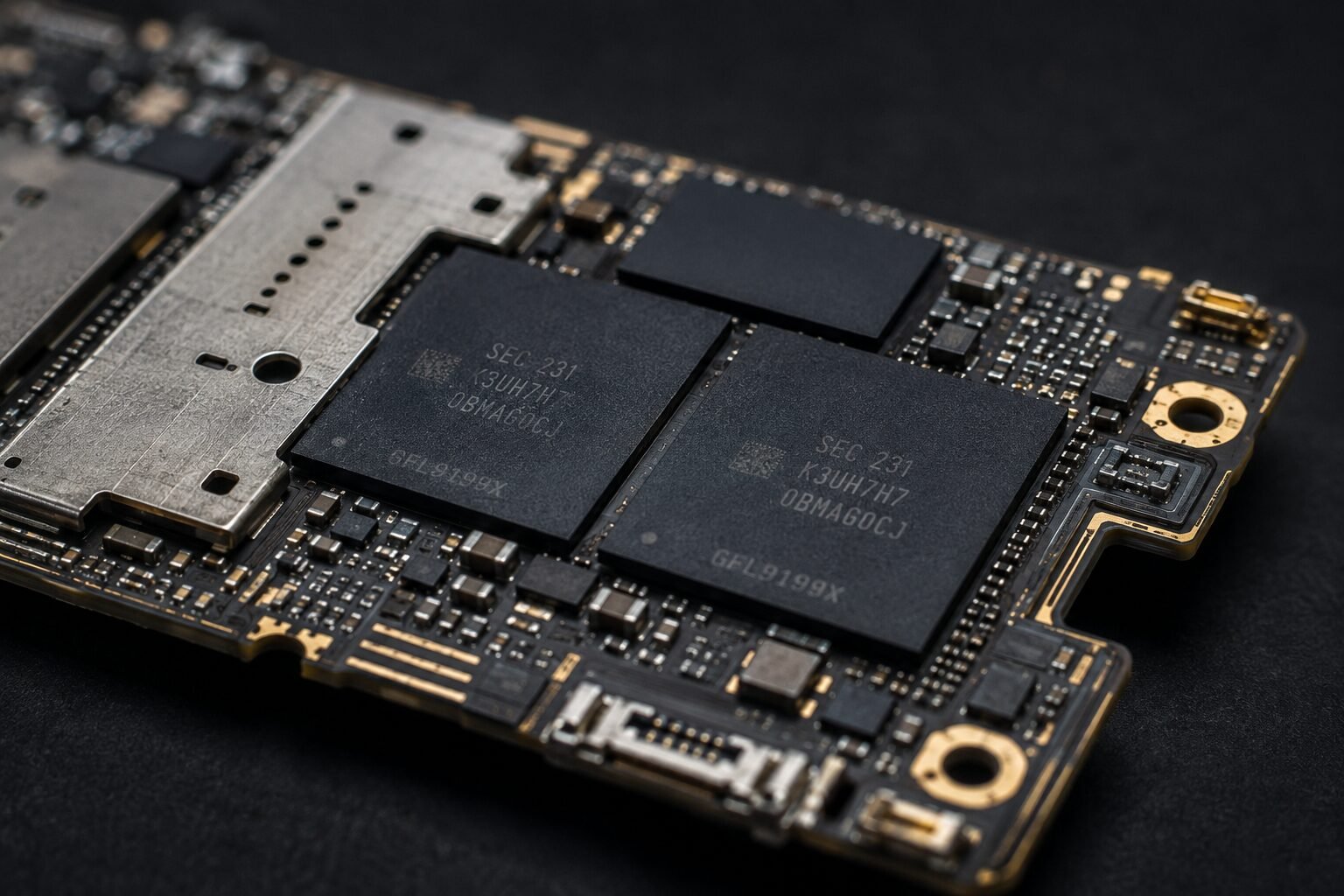
I was helping my neighbor’s teenage son shop for a replacement phone last week after his screen cracked beyond repair, and the price tag on what used to be a reliable budget option genuinely surprised both of us. It wasn’t a one-off. If you’ve noticed phones — especially the cheaper ones — costing more than they did even a year ago, you’re not imagining it, and it has almost nothing to do with new features or fancy cameras.
The real culprit is memory chips, and specifically, the AI boom’s insatiable appetite for them.
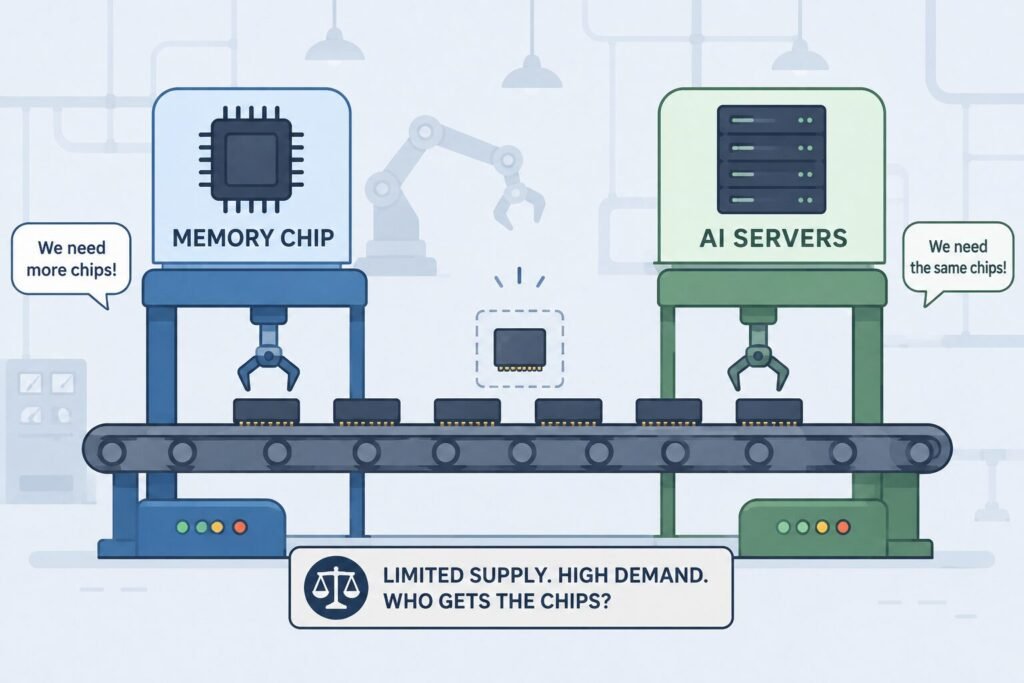
To understand this, you need to know that the same type of memory chip that goes into your phone is closely related to the memory used in the massive data centers powering AI tools. Smartphones typically use LPDDR5 or LPDDR5X memory, which differs electrically and in packaging from the DDR5 and high-bandwidth memory used in AI servers, but both are often manufactured on the same advanced production lines. When chipmakers decide where to allocate their limited manufacturing capacity, phone memory and AI server memory are effectively competing for the same factory floor space. Android Authority
Chipmakers have been shifting wafer capacity toward high-bandwidth memory for AI inference clusters, largely because that memory is significantly more profitable to produce than standard mobile memory. That’s a rational business decision for the chipmakers, but it leaves smartphone manufacturers scrambling for a shrinking supply of the parts they actually need. DigitBin
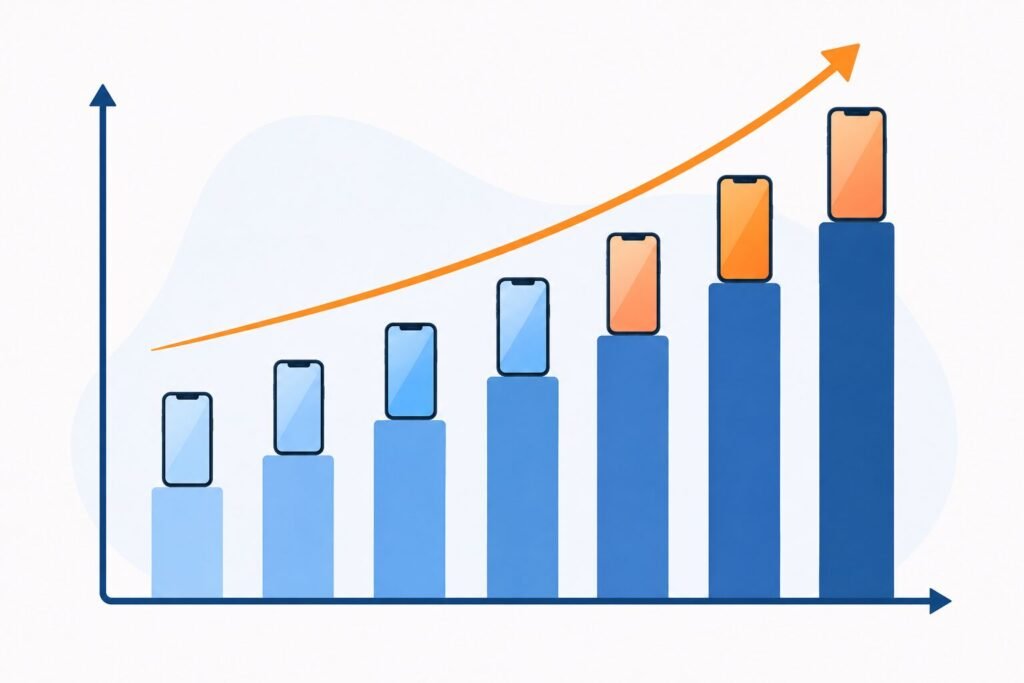
The numbers here are pretty striking. Research firm Counterpoint projected the average selling price of smartphones would rise 6.9% year-on-year in 2026, well above its earlier forecast of a 3.6% increase. Some analysts have gone further, warning that memory prices themselves could climb by as much as 40% through the second quarter of 2026 alone. CNBCGSMArena
The pain isn’t spread evenly across the market, either. Component costs for low-end phones have already risen roughly 25% above where they stood at the start of the year, while mid-range and high-end devices have seen smaller increases of around 15% and 10% respectively. If you’re shopping in the budget category, in other words, you’re feeling this shift the most. GSMArena
This part makes intuitive sense once you think about how a phone’s total cost is built up. Memory makes up a much bigger slice of the overall bill of materials on a $200 phone than it does on a $1,000 flagship. When memory prices spike, that increase eats into a budget phone’s thin margins far more aggressively than it does a premium device stacked with other expensive components like advanced camera sensors or exotic materials.
Industry analysts have specifically flagged that phone-makers competing in the low end, where margins are already extremely tight, are likely to feel this memory crisis the hardest. Some smaller brands have reportedly scaled back production or exited certain markets altogether rather than absorb the hit. aol
Phone makers aren’t just passively raising prices — they’re making quieter trade-offs behind the scenes too. A few strategies are already showing up across the industry:
It’s worth reading spec sheets a little more carefully this year. A RAM figure that looks slightly lower than you’d expect for a given price point may not be an accident.
This isn’t just a budget-phone story. Apple reportedly absorbed a larger share of these rising costs in the first quarter of 2026, and the company’s leadership has notably avoided ruling out future pricing pressure on its flagship lineup. Meanwhile, rumors around upcoming devices suggest that even mid-tier and flagship phones may see certain specifications quietly scaled back to manage costs, rather than customers seeing sticker prices jump overnight. DigitBin
Unfortunately, there’s no quick fix here. Memory manufacturers have deliberately avoided aggressive capacity expansion after being burned by oversupply cycles in 2018 and 2022, meaning they’re prioritizing margin discipline over rushing to fix the shortage. Building new high-bandwidth memory production capacity takes years, not months, so this isn’t the kind of shortage that resolves itself in a single quarter. Android Authority
If you’re due for an upgrade soon, it may be worth weighing whether buying sooner rather than later makes financial sense, since most signs point toward this pressure continuing rather than easing through the year.

A few practical takeaways if you’re in the market:
The next time a phone price catches you off guard, it’s worth remembering this isn’t really about smartphones at all — it’s a side effect of the broader AI boom competing for the same manufacturing capacity that used to be dedicated almost entirely to consumer devices. Being a slightly more informed shopper this year, especially around RAM specs and timing your upgrade, can help you avoid paying more than you need to for less than you’d expect.

