Physical Address
304 North Cardinal St.
Dorchester Center, MA 02124
Physical Address
304 North Cardinal St.
Dorchester Center, MA 02124


For the past few years, the AI industry’s growth story has mostly been about acceleration — bigger models, bigger data centers, bigger checks written to build them faster. This week, one of the country’s biggest states hit the brakes.
On July 14, New York Governor Kathy Hochul signed an executive order blocking construction of any new data center that draws 50 megawatts of power or more, for up to a year. It’s the first statewide pause of its kind in the U.S., and it puts New York at the center of a fight that’s been quietly building in state capitals across the country for months.
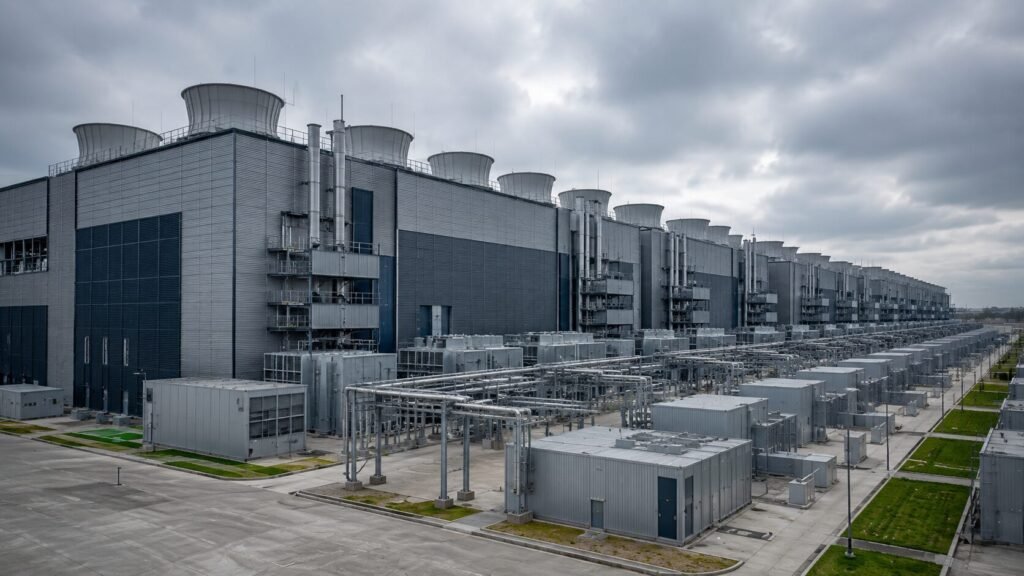
The moratorium isn’t a permanent ban, and it isn’t aimed at every data center. It specifically targets hyperscale facilities — the kind of massive server farms that require enough electricity to power a small city and enough water to keep thousands of chips from overheating. Anything under the 50-megawatt threshold isn’t affected.
For up to twelve months, the state won’t approve new permits for projects above that line. During that window, New York plans to work out clearer rules around how these facilities connect to the power grid, how their energy costs get distributed, and what protections ordinary ratepayers get from a boom that’s been driving up electricity bills.
There’s a second piece of this story sitting right behind it. State lawmakers already passed the Responsible Data Center Development Act earlier this year, which would impose its own one-year moratorium on data centers using 20 megawatts or more — an even lower bar. Hochul hasn’t signed that bill yet, but she’s signaled she wants to work with the legislature on it, which suggests this week’s order might not be the last word on the subject.
The short answer is money and power — literally.
Data centers built to train and run AI models consume enormous amounts of electricity, and that demand has been showing up on household bills across the state. Public polling has tracked a real shift in how voters feel about this. A Siena Research Institute poll taken in June found that 46% of respondents believed a one-year moratorium on new large data center permits would be good for the state, compared to just 21% who thought it would be bad.
What’s notable is that this isn’t splitting cleanly along party lines the way most tech policy fights do. The same poll found Democrats supporting the idea by a 37-point margin and Republicans backing it by 13 points — meaning this is one of those rare tech issues where voters across the aisle are landing in roughly the same place, even if their reasons differ.
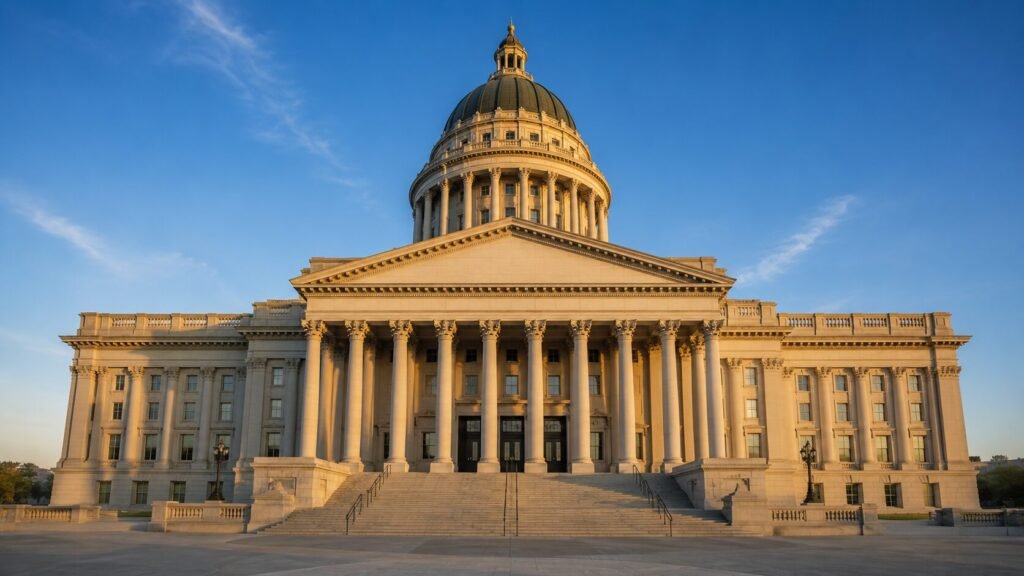
The order has plenty of critics, and their argument isn’t really about AI itself — it’s about who gets to make the call. A group of Republican state assembly members, led by Scott Gray, wrote to the governor in June arguing that a statewide moratorium takes zoning decisions away from the local communities that should be making them, and duplicates work the administration was already doing. Their core position is that Albany’s job should be setting ground rules and protecting the power grid — not deciding project-by-project whether a town gets a data center.
On the other side, supporters argue that without some kind of pause, the buildout was moving faster than state regulators could keep up with, leaving communities to absorb rising energy costs and strained infrastructure before anyone had worked out who should pay for what.
Other Democratic governors have been notably more cautious than Hochul on this exact question. Governors in Maine and Virginia — two states with plenty of data center activity of their own — have reportedly urged against exactly this kind of blanket moratorium, worried it could scare off investment. That makes New York’s move less of a party-line policy and more of a genuine bet by Hochul that voters in her state want this, regardless of what it might cost in future AI infrastructure investment.
New York is the first state to actually sign a moratorium like this into law, but it’s very unlikely to be the last. Several other states have been quietly considering similar measures as the same tension shows up almost everywhere hyperscale data centers get proposed: cheap land and tax incentives on one side, higher electricity bills and community pushback on the other.
That tension puts state governments in an unusual position. For the past couple of years, most of the political conversation around AI has focused on Washington — export controls, safety standards, questions about who gets access to the most powerful models. This moratorium is a reminder that a lot of AI’s real-world footprint doesn’t get decided in Washington at all. It gets decided by whoever controls the local power grid and the permitting office.
For AI companies, the immediate effect is straightforward: any hyperscale project in New York that hasn’t already broken ground is now on hold for up to a year, and companies planning future U.S. expansion have one more variable to factor into where they build next. Some of that investment will likely just shift to states without similar restrictions, at least in the short term.
For everyday New Yorkers, nothing changes immediately — this is a pause on new construction, not a rollback of anything already running. But the debate underneath it isn’t going away. As AI infrastructure keeps expanding, more states are going to face the same question New York just answered: how much of the cost of building AI’s future should show up on a regular household’s power bill, and who gets to decide before the servers go in the ground.

