

If you are creating videos for social media, there is a good chance you have asked yourself one simple question: where should I post if I actually want to make money?
YouTube, Facebook, TikTok, Instagram, Snapchat and even platforms like Twitch and Kick all have ways for creators to earn. But they don’t make money in the same way, and that makes a direct comparison surprisingly difficult.
A platform might offer a better payout for video views, while another could be much more profitable for sponsorships. One may be excellent for short-form content, while another can generate income from ads, memberships, fan payments and shopping at the same time.
So if you’re looking for the highest-paying social media platform in 2026, the short answer is still YouTube. Research from Epidemic Sound found that 28.6% of the 1,500 monetising creators it surveyed considered YouTube their main platform for generating income. TikTok followed at 18.3%, Facebook at 16.5% and Instagram at 11.8%.
But that doesn’t mean YouTube is automatically the best choice for every creator.
Why YouTube remains the strongest option
YouTube has an advantage that most social platforms have struggled to match: creators can build several income streams around the same audience.
A successful YouTube channel can earn from advertising, YouTube Premium, channel memberships, Super Chat, Super Stickers, Super Thanks and Shopping, depending on eligibility and availability.
For long-form videos, YouTube currently pays monetising partners 55% of net advertising revenue from the Watch Page. Fan-funding features such as memberships and Super Chat come with a 70% share of net revenues for eligible creators.
Shorts work differently. Revenue from ads shown between Shorts is pooled and distributed based on eligible engaged views. Creators receive 45% of the revenue allocated to them from the Shorts Creator Pool.
This distinction matters.
Someone uploading 30-second Shorts and someone producing 15-minute technology reviews are both “YouTubers”, but their monetisation models can look completely different.
YouTube also gives creators an important advantage over many social networks: older content can continue generating views and revenue long after it was published.
A useful smartphone tutorial uploaded two years ago can still appear in Google and YouTube search results and continue attracting viewers. That gives long-form creators the possibility of building a library of content rather than depending entirely on today’s viral post.
But does YouTube pay the most per view?
Generally, YouTube is considered the strongest major social platform for view-based creator income, but there is no universal amount that YouTube pays for 1,000 views.
That is because advertisers don’t value every viewer equally.
The country where your audience lives, the subject of your video, the type of advertisers interested in that audience, watch time and other factors can all influence the revenue generated by a video.
A finance channel with viewers in the US can therefore have a very different RPM from an entertainment channel whose audience is spread across several countries.
This is why those viral claims saying “YouTube pays exactly $X for 1,000 views” should be treated carefully.
There isn’t one fixed rate.
Facebook is becoming a serious competitor
Facebook is particularly interesting for creators who specialise in short-form videos.
Meta’s Facebook Content Monetization programme can monetise eligible Reels, Stories, long-form videos, photos and text posts. Facebook also offers other routes such as Stars, subscriptions, branded content and affiliate marketing.
The platform paid nearly $3 billion to creators in 2025, according to the source’s cited figures.
For creators who already have an established Facebook audience, that makes the platform worth taking seriously.
Facebook also introduced Creator Fast Track for creators who already have a substantial audience on platforms such as YouTube, Instagram or TikTok. According to Epidemic Sound, eligible creators can receive $1,000 per month with at least 100,000 followers on one of those platforms, or $3,000 per month with more than one million followers on at least one of them, for the applicable three-month period.
However, Facebook earnings can vary considerably, so it would be misleading to treat a particular amount per 1,000 views as a guaranteed payout.
TikTok can bring huge reach, but reach and revenue are different things
TikTok is arguably one of the best platforms for getting a video in front of a large audience quickly.
Its Creator Rewards programme pays eligible creators based on qualified views and RPM. That is a significant change from the old TikTok Creator Fund model, which was widely criticised for relatively low payouts.
Epidemic Sound’s research places TikTok second behind YouTube when creators were asked which platform generates the most income for them, with 18.3% selecting it.
But TikTok’s biggest strength may not be the direct payment from views.
Creators can combine TikTok’s native monetisation with brand partnerships, TikTok Shop, subscriptions and other commercial opportunities.
That means a creator with a strong TikTok audience may earn considerably more from a product partnership or affiliate sales than from the platform’s direct video payout.
Instagram is a different kind of money-making platform
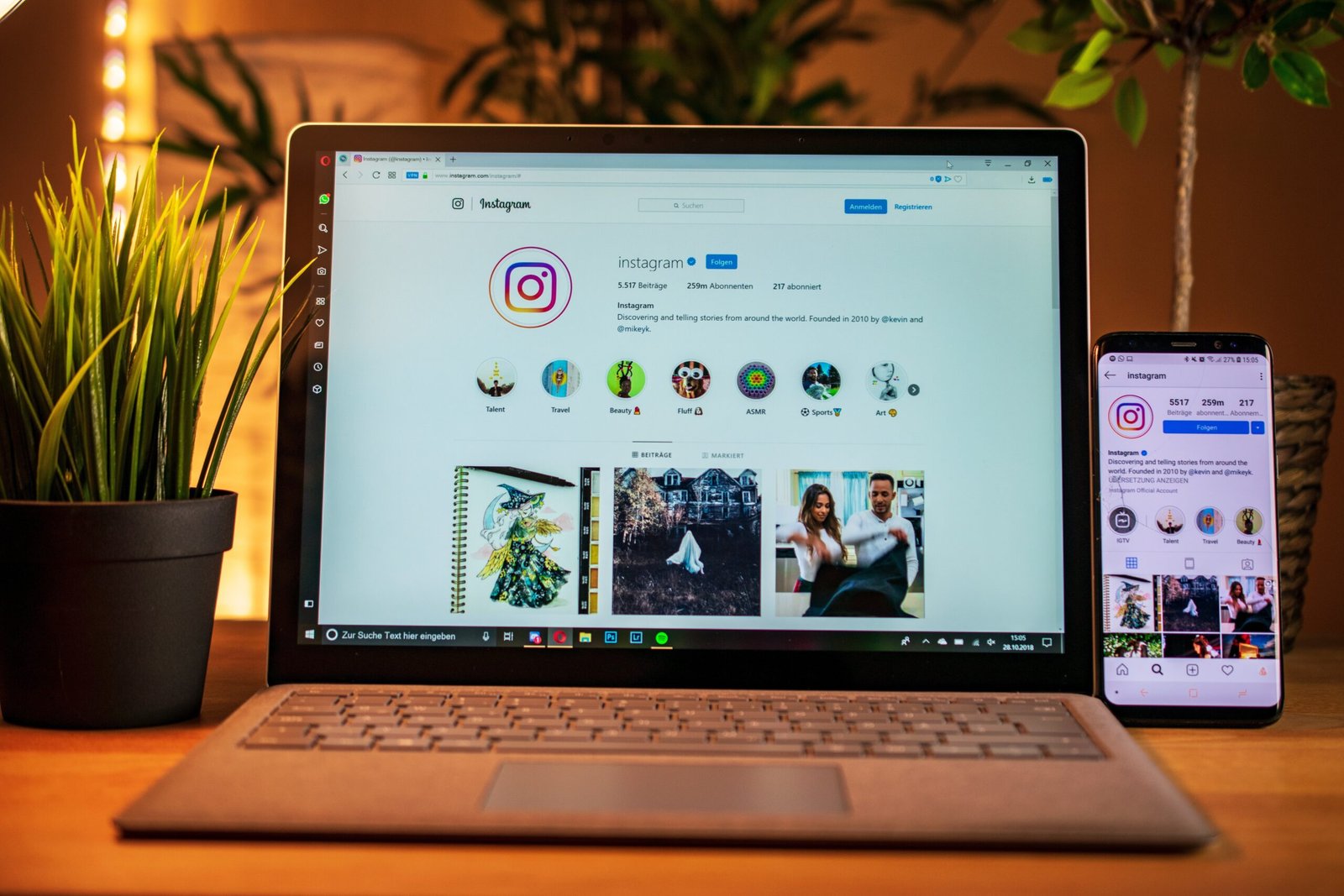
Instagram is an interesting example because having huge reach does not necessarily mean Instagram itself will pay you for those views.
Unlike YouTube, Instagram does not operate a universal ad-revenue-sharing model for normal content views in the same way. Its creator economy is heavily influenced by sponsorships, branded content, affiliate marketing and commerce features.
That can actually be a strength.
A creator with 20,000 highly engaged followers in a valuable niche might be more attractive to brands than someone with hundreds of thousands of passive followers.
For influencers, therefore, asking “How much does Instagram pay per 1,000 views?” can be the wrong question.
A better question is: “How much can my audience earn me through brand deals and other commercial opportunities?”
What about X?
X, formerly Twitter, has its own creator monetisation system, including subscriptions and Creator Revenue Sharing.
The important difference is that monetisation isn’t simply based on ordinary video views. X’s revenue-sharing system has its own eligibility and impression requirements, and the platform has changed the programme over time.
That makes X potentially useful for creators who already have a strong following there, particularly in areas such as news, commentary, technology, finance and online communities.
But if your entire strategy is based on earning advertising revenue from video views, YouTube remains a much more established option.
Twitch and Kick are built around a different creator economy
For live streamers, comparing Twitch or Kick with YouTube isn’t entirely fair.
A streamer can earn through subscriptions, advertising, donations, sponsorships and other fan-supported features. The relationship with the audience is much more direct because viewers can spend hours interacting with a creator during live broadcasts.
Kick has also attracted attention by offering creators competitive subscription economics compared with traditional live-streaming platforms.
So if you are a gaming creator, live commentator or personality who thrives on real-time interaction, the platform with the highest per-view payout may not actually be the platform that gives you the highest overall income.
The real winner depends on how you create
This is where the “which platform pays the most?” question gets more interesting.
If you make long-form videos, YouTube is probably the strongest starting point because of its established advertising system and multiple additional revenue streams.
If your strength is short-form viral content, TikTok and Facebook can be attractive because they can deliver enormous amounts of reach, while YouTube Shorts gives you another monetisation route.
If you are an influencer, Instagram may be more valuable because brands are willing to pay for access to a relevant and engaged audience.
If you’re a live streamer, Twitch, Kick and YouTube all deserve consideration.
And if you already have a large audience somewhere else, it may make sense to use multiple platforms instead of choosing just one.
You don’t have to choose just one platform
This is probably the biggest lesson for creators in 2026.
A single video can have a life beyond one platform.
A creator might publish the full version on YouTube, turn parts of it into Shorts, post those clips on Facebook and TikTok, and use Instagram to reach brands and promote products.
The same piece of content can therefore support several different income streams.
There is one important catch: make sure you actually have the rights to every piece of content you publish.
Music is a particularly common problem. Using copyrighted music without the appropriate rights can result in claims or demonetisation, depending on the platform and circumstances. YouTube, for example, excludes certain non-original or otherwise ineligible Shorts views from revenue sharing.
So, which social media platform pays the most?
If we are talking primarily about direct creator income and the overall number of monetisation options, YouTube is still the strongest answer in 2026.
But “YouTube pays the most” doesn’t mean every YouTuber will earn more than every TikTok or Facebook creator.
The economics depend on the audience, content format, niche, location and how well the creator combines different revenue sources.
A creator who earns from YouTube ads, memberships, sponsorships and affiliate sales can build a very different business from someone who depends entirely on short-form video payouts.
The smartest strategy is therefore not necessarily to find one platform and ignore everything else.
Build where your audience is, then monetise that audience in more than one way.
For most video creators, YouTube is a strong foundation. TikTok and Facebook can provide additional reach and monetisation opportunities, while Instagram can be particularly valuable for brand partnerships. Live creators may find Twitch or Kick more suitable.
In other words, the highest-paying platform isn’t always the one with the biggest payout per view. It’s the one that gives your particular type of content the best combination of reach, audience loyalty and monetisation opportunities.