Physical Address
304 North Cardinal St.
Dorchester Center, MA 02124
Physical Address
304 North Cardinal St.
Dorchester Center, MA 02124


My cousin got a call last winter that still makes her shiver when she talks about it. It was her son’s voice — cracking, panicked, saying he’d been in an accident and needed money sent immediately. She had her banking app open before she even sat down. Only when she asked him a question only the real him would know did the line go dead. Her son was fine. He’d been asleep the whole time.
That’s the reality of AI voice cloning scams in 2026. They’re not a rare, futuristic threat anymore — they’re showing up in ordinary people’s phones, and they’re built to bypass the one thing we’ve always trusted: the sound of a loved one’s voice.
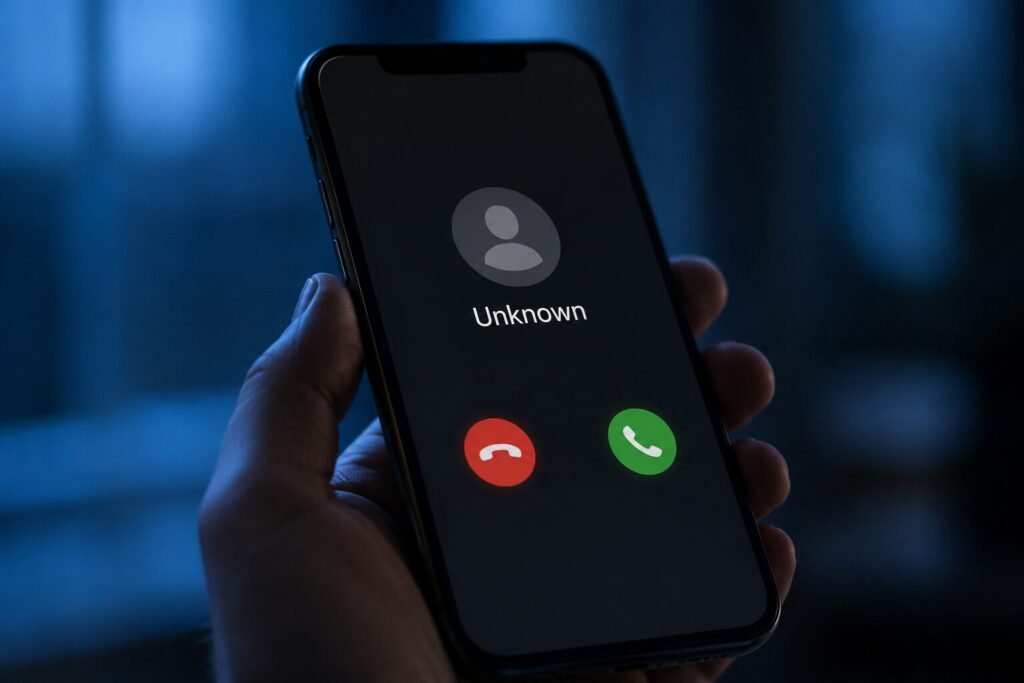
AI voice cloning scams use artificial intelligence to recreate someone’s voice from a short audio sample, then use that fake voice to trick a target into sending money or handing over sensitive information. Criminals often need only a few seconds of audio, frequently pulled from social media videos, reels, or voicemail greetings, to build a convincing replica of someone’s voice.
That’s the unsettling part. You don’t need to have done anything wrong to become a target. Posting a birthday video, a voice note, or a TikTok where you’re chatting to the camera can be enough raw material for a scammer’s software.
These tools make it far easier for criminals to imitate people’s voices convincingly, and older adults are often more vulnerable since they may be less familiar with how realistic AI-generated speech can sound. Scammers also frequently spoof the caller ID, so the number on your screen might genuinely look like it belongs to your relative.
This isn’t a fringe issue anymore. The FBI has reported that Americans lost close to a billion dollars to AI-related scams in a single recent year, and voice cloning is a growing slice of that total. Cases have ranged from small family emergencies to headline-grabbing corporate fraud — including a well-documented incident where a finance employee was tricked into authorizing a $25 million transfer after a video call featuring deepfaked colleagues. If it can fool a finance professional in a boardroom, it can absolutely fool someone standing in their kitchen at 9pm.
Understanding how these calls usually unfold makes them a lot easier to spot in the moment.
Notice the common thread: urgency, secrecy, and pressure to act before you can verify anything. That combination is the real red flag, more than the voice itself.
The good news is that defending against this doesn’t require technical expertise. It mostly comes down to habits.
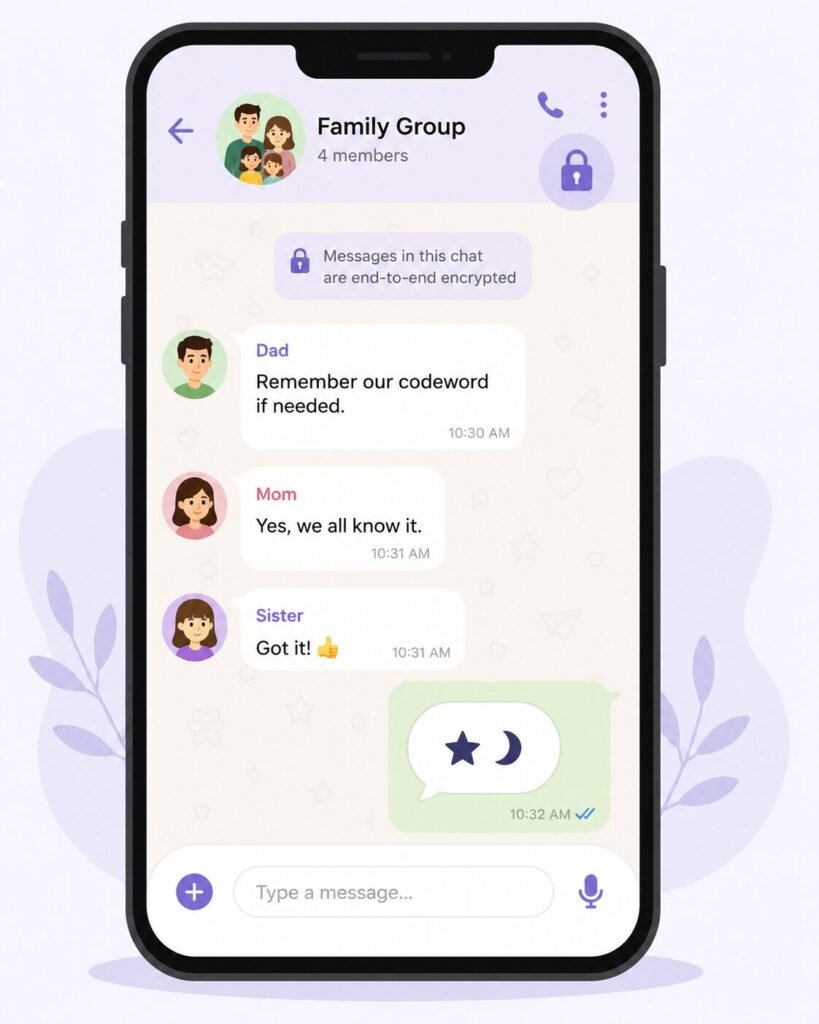
Security professionals widely recommend agreeing on a specific, uncommon word or phrase with close family members that you’d only use to confirm identity in a genuine emergency. Pick something that’s never been posted online and isn’t easily guessed. If a “relative” calls in distress and can’t produce the word, treat it as a scam until proven otherwise.
If you get an urgent call from someone claiming to be a family member or coworker, end the call and dial their number yourself from your own contacts — never a number they give you during the call. This single habit defeats the vast majority of these scams.
Scammers rely on panic. Before sending money or sharing personal details, take thirty seconds to ask yourself: would this person really ask me to do this, this way, right now? A real emergency can survive a two-minute verification call.
Setting your videos and voice clips to private or friends-only makes it harder for automated tools to scrape the audio samples needed to clone your voice. This is a small setting change that meaningfully shrinks your exposure.
The US Federal Communications Commission has classified AI-generated voices used in robocalls as illegal under the Telephone Consumer Protection Act, giving state authorities more power to prosecute the networks behind them, and telecom providers are rolling out stronger caller ID authentication protocols to catch spoofed numbers before they reach your phone. It’s not a complete fix yet, but the legal and technical landscape is shifting in your favor.
None of this means you need to be suspicious of every phone call. Most calls are exactly what they appear to be. What’s changed is that “it sounded just like them” is no longer proof of anything on its own. Treating unexpected, urgent requests for money with a healthy pause — regardless of how convincing the voice is — is simply the new baseline for staying safe online.
AI voice cloning scams work because they exploit trust and urgency, not technical ignorance. A shared family safe word, a habit of calling back on a known number, and a little healthy skepticism toward “urgent” requests will protect you far more than any piece of software. Take five minutes this week to set up a safe word with the people closest to you — it’s the single most effective step you can take.

