
Nobody likes admitting this, but let’s be honest: when a message pops up saying you’ve won something, your heart does a little jump. Mine does too. Free stuff is exciting, and scammers know it — that’s the whole business model. The good news is that fake giveaways are not clever. Once you’ve seen the tricks, you start spotting them the way you’d spot a bad toupee. Here are the nine red flags, in plain language.
Why these scams work so well
A fake giveaway doesn’t need to fool a security expert. It just needs to catch you in a distracted minute — scrolling in bed, half-watching TV — and make you act before you think. The prize is always something desirable: a phone, a holiday, a gift card. The message always arrives with urgency. And the whole thing is designed so that questioning it feels like risking the prize.
That’s the trap. Real giveaways never punish you for taking a minute to check. Scams do, because a minute of checking kills them. So the single most useful habit in this guide is also the simplest: when a win feels sudden, slow down on purpose. Everything below is just ways to spend that minute well.
The nine red flags
Run through these like a checklist. One flag might be a coincidence. Two or three together, and you can safely walk away.
1. You “won” something you never entered
This is the big one, and it catches more people than any other trick. A DM or comment tells you that you’ve won a prize — but you have no memory of entering any draw. That’s because there was no draw. Real giveaways pick from people who actually took part. If your name came out of nowhere, the prize came out of nowhere too.
2. The account looks brand new or half-empty
Tap the profile before you tap anything else. Fake giveaway accounts are usually days or weeks old, with a handful of posts, almost no followers, and a bio that says something vague like “official prizes page.” Real brands run giveaways from their real accounts — the one with years of posts and an audience that talks back.
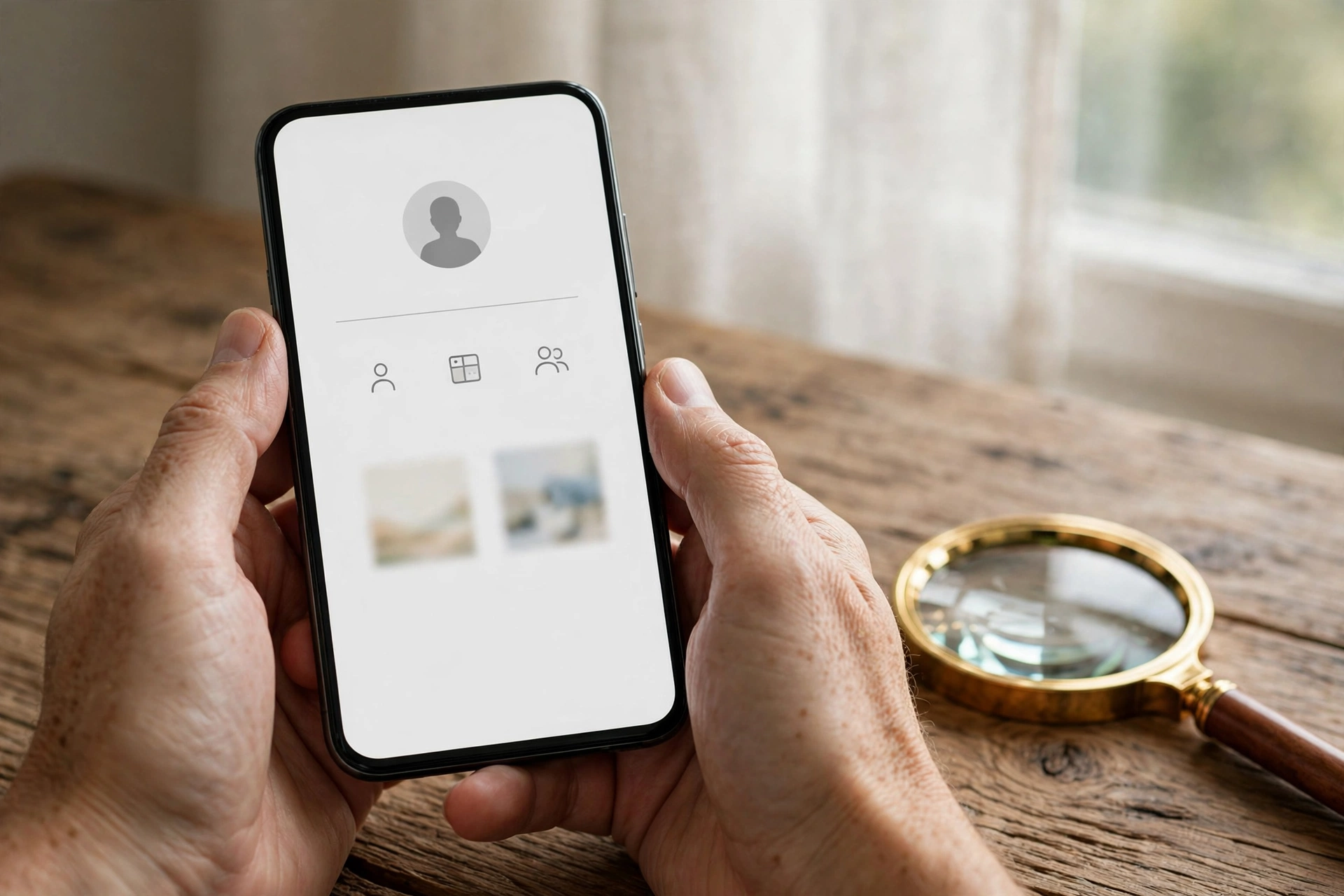
A quick glance at follower count, post history, and how long the account has existed tells you most of what you need. If the account was born last Tuesday and is already giving away cars, it is not a generous new brand. It is a costume. Also watch for the follower-to-following ratio: thousands of followed accounts and a few dozen followers is the shape of an account built for spamming, not a brand built for customers.
3. The handle is a knock-off of a real brand
Scammers love a near-miss username: an extra underscore, a swapped letter, “official” tacked on the end. At a glance it looks like the brand you know. Look twice. Open the real brand’s page separately — type the name into search yourself rather than following the link you were sent — and compare. If the giveaway only exists on the lookalike account, that’s your answer.
4. You have to pay to receive your “free” prize
Shipping fees, processing charges, a “verification deposit” — the wording changes, the request doesn’t. A genuine prize never asks the winner to pay. The moment money is mentioned, the giveaway stops being a giveaway and becomes a purchase you didn’t agree to. Close the chat. Real winnings don’t come with a checkout page.
5. They want personal details that prizes don’t need
Your name and a delivery address might be reasonable for a physical prize. Your bank details, card number, national ID, or account passwords are not — ever, for any prize, from anyone. No legitimate company collects banking information through a social media DM to send you a gift card. If the “claim form” asks for things a prize has no business knowing, it’s harvesting, not awarding.

6. Everything is URGENT and happening RIGHT NOW
“Claim within 2 hours or the prize goes to someone else!” Pressure is a tool. It exists to stop you doing the one thing that defeats the scam: checking. Countdown timers, all-caps warnings, threats that you’ll lose out — these are stage props. A real company giving away a real prize can wait a day while you verify. Only a scam evaporates under scrutiny.
7. The prize is absurd for the effort
Win a luxury car for liking a post. A week in the Maldives for tagging two friends. Ask yourself what the brand gets out of this. Real giveaways are marketing: the prize costs money, and the company expects attention in return, sized sensibly. When the reward is wildly out of proportion to a like or a follow, nobody is marketing anything. Somebody is fishing.
8. The comments are full of “winners”
Scroll the comments and you’ll often find a parade of people thanking the account for their wonderful prize. Look closer and the accounts are empty, the profile pictures are stock-photo faces, and the praise all sounds oddly alike. Scammers seed their own comment sections to make the win look normal. A comment section where everyone already won is a comment section nobody real is in.
9. You’re pushed off the platform to claim
The DM says “click here to claim,” and the link leads somewhere that looks nothing like the social media app — a strange website asking you to log in again or download something. Staying inside the platform’s own pages keeps you under its protections. The moment you’re herded to an outside site, those protections are gone, and the page can ask for anything. Don’t follow. If a brand is real, its real website will mention the giveaway too — check there directly.
Your 30-second safety routine
Nine flags is a lot to remember in the moment, so here’s the whole guide compressed into half a minute. A win-message arrives. You feel the buzz — and you deliberately don’t tap anything yet. Open the sender’s profile: how old is the account, how many followers, do the posts look like a real brand or a stage set? Then leave the message entirely, search the brand’s name yourself, and see whether the giveaway exists on their real page. If anything asks for money, passwords, or bank details, you’re done — it’s a scam, no further investigation needed.
Do that three times and it stops feeling like a procedure. It becomes a reflex, the same way you glance both ways before crossing even on a quiet street. Scammers rely on the version of you that acts first and checks later. The thirty-second you is their worst enemy.
Already clicked? Do this now
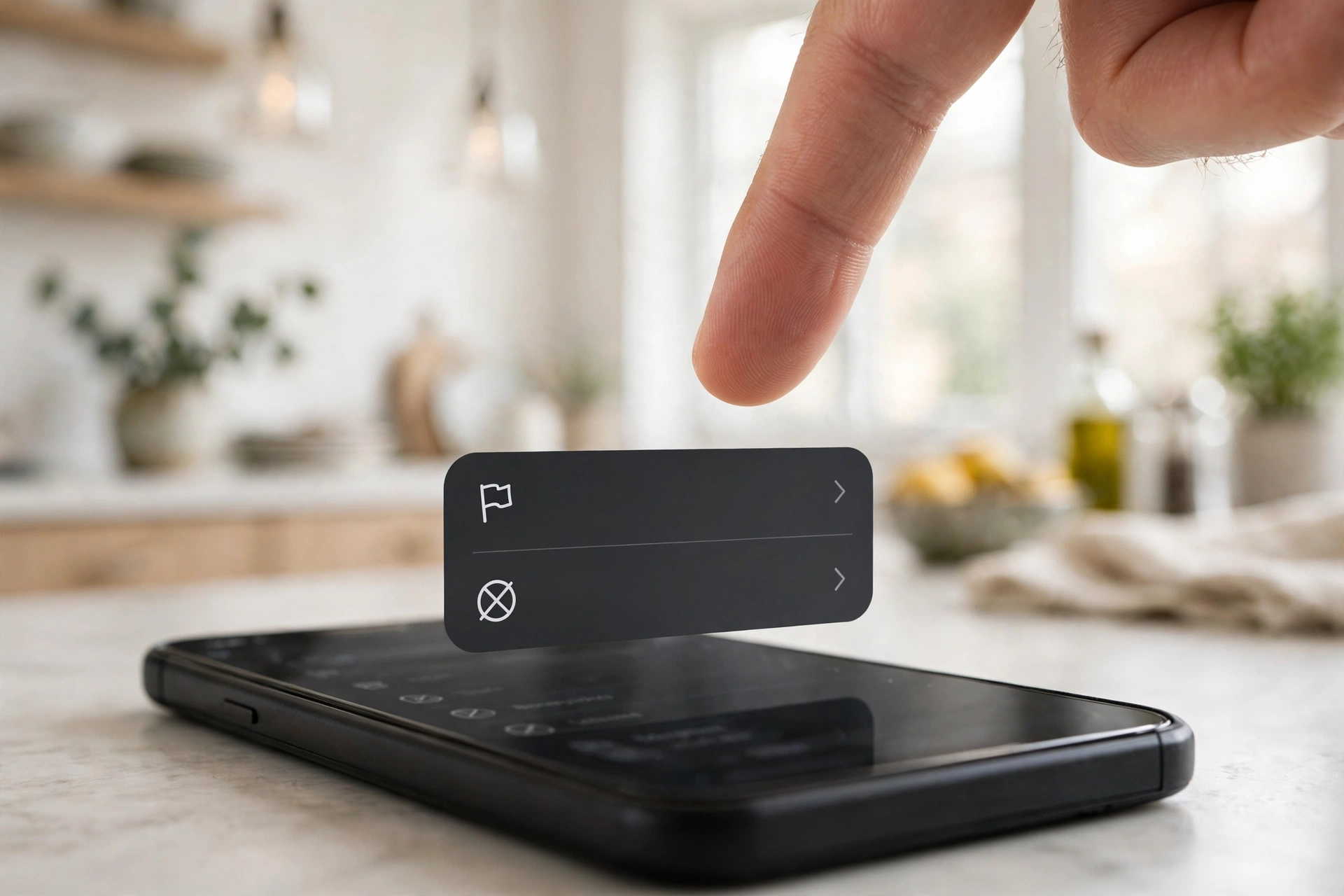
It happens. You clicked before the penny dropped, maybe typed something in. Don’t spiral — act. First, if you entered a password on the linked page, change that password right away, and change it anywhere else you used the same one. Second, if you shared card or bank details, call your bank’s number (the one on your card, not from the message) and tell them what happened. Third, report the account inside the social media app — every major platform has a report option on profiles and messages — and then block it. Finally, tell someone. Scams thrive on embarrassment keeping people quiet. The friend you warn today is the victim who never happens tomorrow.
Pass it on
The sneakiest thing about fake giveaways is how ordinary they look next to real ones. But now you know the pattern: surprise win, shady account, a fee or form, a clock ticking. Keep the checklist in your head and you’ll spot the next one in seconds — and the person most likely to fall for it is probably someone you love who scrolls a bit too trustingly. Send them this guide. The best prize here is never having to learn the lesson the hard way.
Quick answers before you scroll on
Can a real brand ever DM me about a prize? Sometimes, but only for a giveaway you actually entered, and only from the brand’s genuine, established account. Verify the account independently before replying.
What if I’ve already paid a “shipping fee”? Contact your bank or card provider as soon as possible and explain it was a scam payment. Then report the account and keep screenshots of everything.
Are all social media giveaways scams? No — plenty of real brands run honest ones. The difference is transparency: clear rules, a real account, no fees, no password requests, and no panic-inducing countdown.
Should I warn others about a fake giveaway I found? Yes. Report it in the app, and if it impersonates a real brand, let that brand know through their official page. It takes a minute and genuinely helps.